
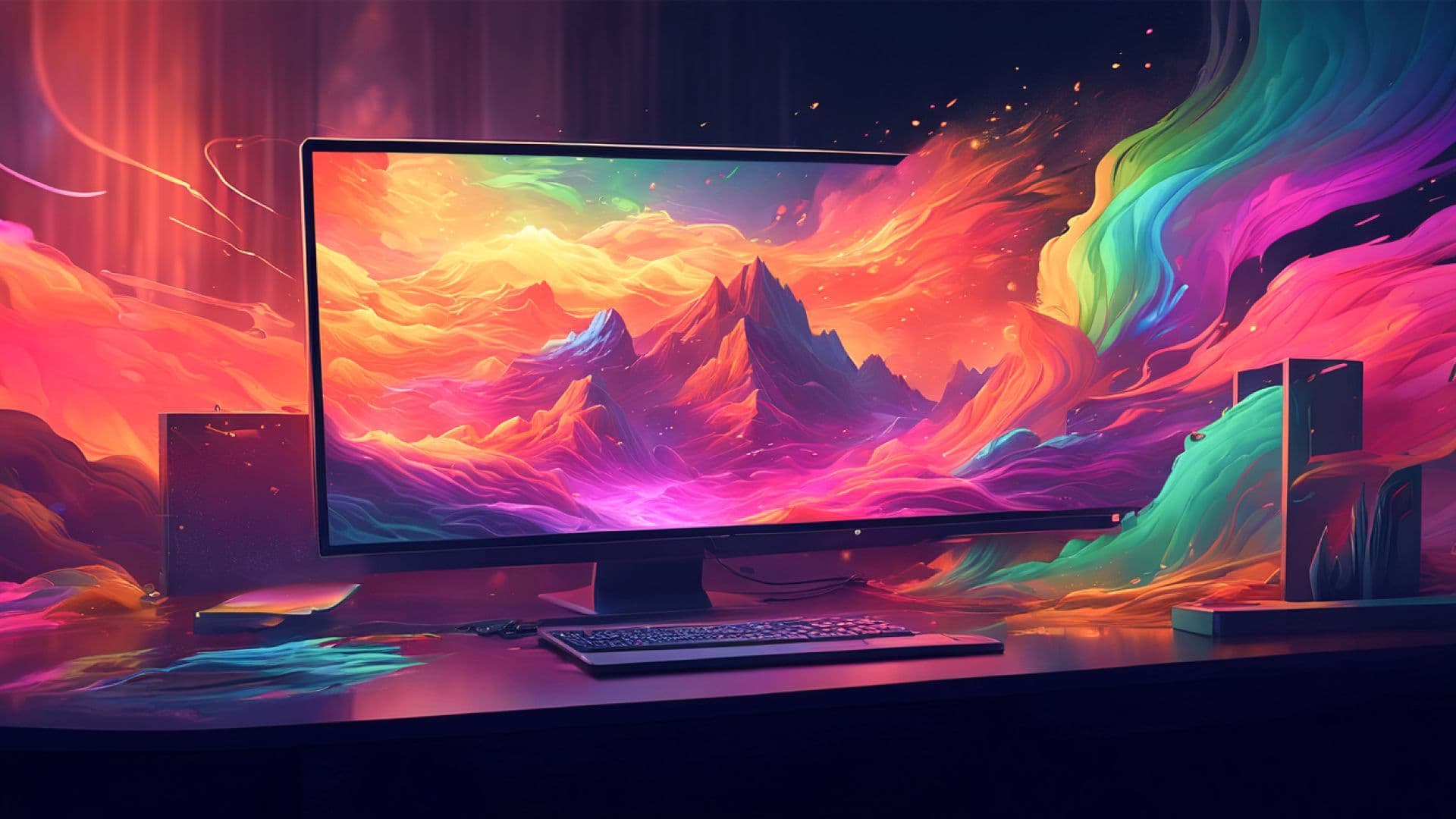
The Return of Visual Thinking
AI image generation tools are not just producing beautiful pictures. They are changing how humans turn ideas into visuals.
The Return of Visual Thinking
For centuries, communication slowly shifted toward text. Books, emails, reports, and social media posts are all text-heavy. Visual storytelling was largely limited to designers, photographers, and filmmakers.
AI image generators—such as Midjourney, DALL·E, and Stable Diffusion—are reversing that trend. Today, anyone can turn a sentence into a visual concept.
Instead of saying:
“Imagine a futuristic library floating above the ocean.”
You can show it instantly. This shift is subtle but powerful:
Ideas no longer need to wait for illustration skills.
From “Skill-Based Creation” to “Idea-Based Creation”
Traditionally, visual creation required years of training:
- Painters studied color theory.
- Photographers mastered lighting and lenses.
- Designers learned composition and typography.
AI tools have changed the equation. The key skill is no longer drawing or rendering.
The key skill is thinking clearly about ideas.
A strong prompt like:
“Ancient desert city built inside giant sand dunes, sunset lighting, cinematic wide angle”
can produce an image that previously required a team of artists.
In other words, creativity is moving from the hand to the mind.
AI Images as Thinking Tools
Another overlooked perspective: AI image generators are not just for final artwork.
They are becoming thinking tools.
Architects use them to explore building concepts.
Writers visualize characters before writing stories.
Game designers prototype entire worlds in minutes.
Instead of spending hours sketching rough drafts, creators generate dozens of visual possibilities instantly.
This changes the creative process from:
- Think
- Sketch
- Refine
to something more like:
- Think
- Generate 20 variations
- Select and refine
Creativity becomes iterative exploration rather than slow construction.
The Rise of “Prompt Literacy”
Just as digital literacy became essential in the internet age, a new skill is emerging: prompt literacy.
People are learning how to describe visuals precisely:
- lighting
- camera angle
- artistic style
- color palette
- mood
A well-crafted prompt can produce stunning results, while a vague one produces chaos. Prompting is slowly becoming a new form of creative writing—one where words become images.
The Democratization of Visual Creation
Historically, producing high-quality visuals required expensive tools or teams.
Today:
- A student can create book illustrations.
- A startup can generate marketing graphics.
- A teacher can create custom educational visuals.
AI image generators reduce the gap between imagination and production. That doesn’t eliminate professional artists—but it changes their role. Many artists now focus more on directing AI systems, refining outputs, and adding human creativity where algorithms fall short.
The Ethical and Creative Tension
Of course, the rise of AI image tools also brings debate.
Questions include:
- Who owns AI-generated art?
- Should AI train on artists’ work?
- Will AI replace human creators?
These questions remain unresolved. But historically, every creative technology—from photography to digital design—sparked similar fears. Over time, tools rarely replace creativity. They expand who gets to participate in it.
The Bigger Picture
AI image generators aren’t just software. They represent a shift in how ideas move from imagination to reality. Instead of waiting for technical skill, people can now visualize thoughts instantly.
And when ideas become easier to visualize, they also become easier to:
- share
- refine
- collaborate on
- and bring to life.
The future of creativity might not belong to those who draw the best. It may belong to those who imagine the most interesting things.
Subscribe for more insights
Get premium comparisons and expert breakdowns directly in your inbox.